


Most homeowners expect a single policy to cover everything a hurricane can do. The reality along the North Carolina coast is that wind damage, storm surge, rain intrusion, and temporary living expenses can each fall under a different policy, with separate deductibles and separate limits. A homeowner with a standard policy, a separate wind and hail policy, and a flood policy may be carrying three declarations pages that all come into play after one storm.
That layered structure is where most of the confusion starts, and it is also where the most expensive surprises hide. A roof claim goes to one policy. The floodwater in the living room goes to another. The deductible on each one applies independently. Understanding how hurricane insurance actually works in North Carolina means knowing which policy owns which piece of the damage and what you owe out of pocket before any of them pay.
What Hurricane Insurance Means in North Carolina
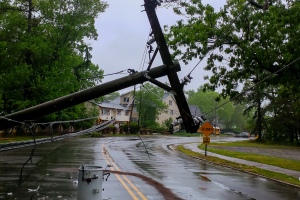
No single policy is sold as “hurricane insurance.” The phrase describes a combination of homeowners, wind and hail, and flood coverage working together.
A standard homeowners policy may cover wind and hail damage, but some insurers exclude those perils for properties in coastal areas. When that happens, the homeowner needs a separate North Carolina wind and hail insurance policy to fill the gap.
Homeowners insurance does not cover flood or rising-water damage in any form. Storm surge from a hurricane requires separate flood insurance. The National Flood Insurance Program reports that about 29 percent of its claims come from outside high-risk flood zones. Properties that aren’t in a designated high-risk area still carry real flood exposure.
What Is Covered and What Is Not
| Type of damage | Which policy may respond | Worth knowing |
|---|---|---|
| Roof or siding damaged by wind | Homeowners policy, or separate wind and hail coverage when wind is excluded | Check the policy exclusions and declarations page before storm season |
| Rain entering through a wind-created opening | Usually the policy covering the wind loss, subject to policy terms | Interior rain damage without storm-created damage to the roof or walls may be treated differently |
| Storm surge and rising water | Flood policy | Standard homeowners insurance doesn’t cover flood or rising water |
| Hotel and extra living costs | Homeowners coverage after a covered loss, within policy limits | Coverage may apply when covered physical damage makes the home uninhabitable |
| Food spoilage after an outage | Depends on the policy or endorsement | Standard coverage may exclude spoilage caused by an off-premises power failure |
The North Carolina DOI notes that interior stormwater damage may not be covered when the roof or walls weren’t damaged by the storm. Its guidance also advises homeowners to check their policies for separate food-spoilage coverage.
Where Coastal Wind and Hail Coverage Comes From
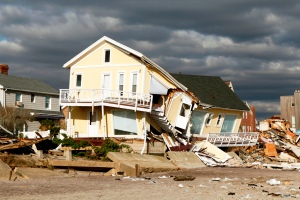
Many coastal homeowners keep wind coverage within their homeowners policy without any issue. Others find that their carrier excludes wind and hail, which means a separate policy is needed alongside the homeowners policy.
The North Carolina Insurance Underwriting Association, or NCIUA, operates the Coastal Property Insurance Pool for eligible properties in the state’s beach and coastal areas. The NC DOI says windstorm coverage through the program is available in 18 eligible coastal counties. Eligibility for an NCIUA wind and hail policy generally requires an active primary property policy from an admitted North Carolina carrier that excludes windstorm.
State law does not create a blanket requirement for every homeowner to carry wind and hail insurance in NC. A mortgage lender, however, may still require it. Fannie Mae’s property insurance standards require windstorm and hail coverage for loans subject to its guidelines and call for separate acceptable coverage when the primary policy excludes those perils.
How Named Storm Deductibles Work
A named storm deductible can be much larger than the flat deductible homeowners are used to seeing. North Carolina DOI notes that these deductibles are often based on a percentage of the dwelling coverage listed on the declarations page.
Consider a home with $500,000 in Coverage A and a 2% named storm deductible. Your deductible would be $10,000 for a covered loss subject to that provision.
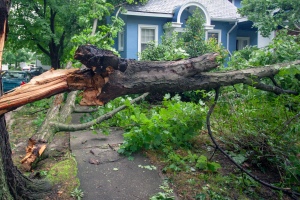
Separate policies can mean separate deductibles. A hurricane that causes both wind damage and flooding could produce one wind claim and one flood claim, with the applicable deductible under each policy.
Questions about how much hurricane insurance costs in North Carolina don’t have one statewide answer. Premiums depend on the property, coverage amounts, construction, location, deductible choices, claims history, and other underwriting factors.
The North Carolina DOI notes that factors including rebuilding costs and characteristics of the home can affect homeowners’ insurance premiums.
Reviewing Your Coverage Before the Next Storm
A useful insurance review starts with three documents: your homeowners declarations page, any separate NC wind and hail insurance policy, and your flood insurance declarations page. Look at covered perils, exclusions, dwelling limits, and each deductible.
Coastal insurance markets and rebuilding costs can change from year to year, so an annual review gives you a chance to confirm how the policies fit together. An NC wind and hail insurance map or flood map can help provide location context, but your actual policy documents determine the coverage you have.
Coastal Shield will walk through your home, wind, and flood policies in plain language. Our team works with coastal homeowners to identify which policy handles each type of loss and help make the insurance side of homeownership easier to understand.