
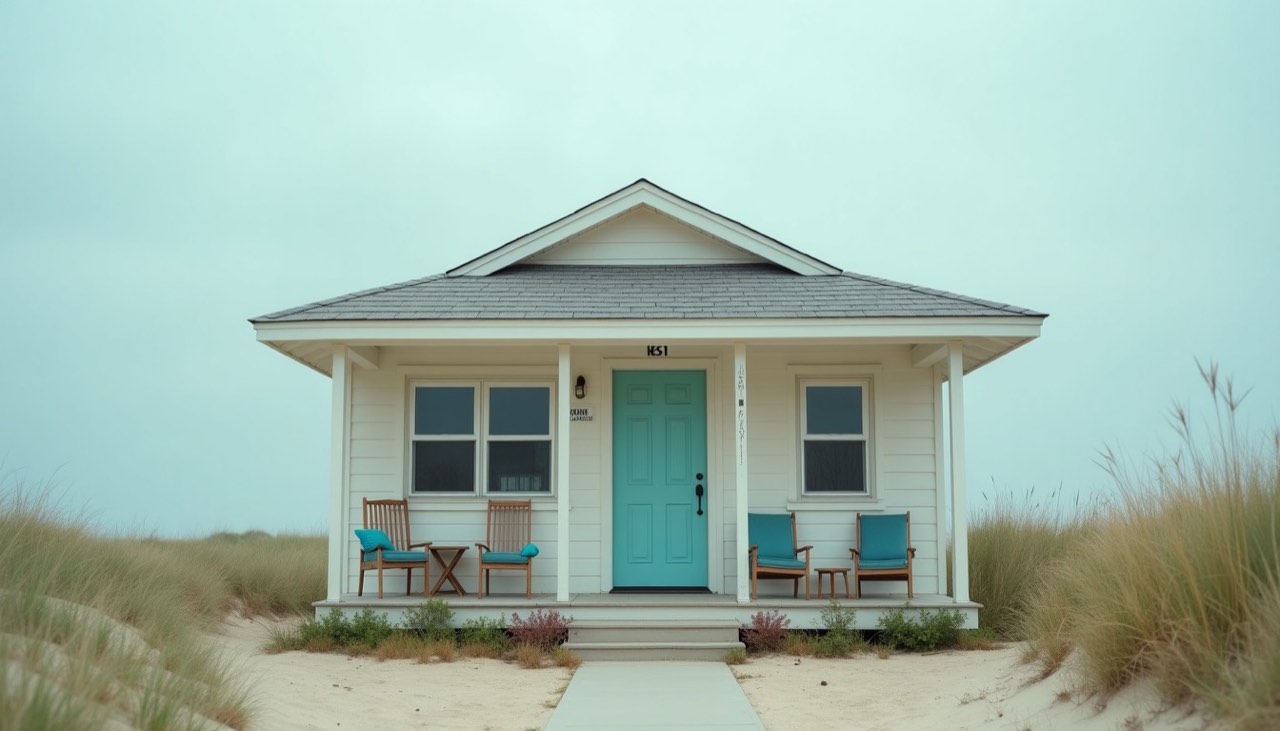

You bought the second home for family weeks in July, then listed it the rest of the season to help carry the mortgage. That listing is the moment your insurance policy stopped matching your house. Renting the property is business use, and business use is excluded from homeowners and secondary dwelling forms. That single exclusion is what separates a second home from a vacation rental, and it is where uninsured losses on this coast usually begin.
Second home, vacation rental, or long-term rental: which policy fits
The right policy depends on who sleeps in the house and how they pay to be there. This is the starting point we use when an owner calls.
| How the property is used | Usual policy | What it needs to include |
|---|---|---|
| Family use only, never rented | Seasonal or secondary homeowners policy | Dwelling, contents, liability, vacancy terms that fit your visits |
| Long-term tenant on a 6 to 12 month lease | Dwelling or landlord policy | Dwelling, loss of rent, landlord liability |
| Nightly or weekly guests | Short-term or vacation rental policy | Dwelling, furnishings, rental income, guest liability |
| Condo unit you rent to guests | Unit owner policy with rental coverage | Interior, loss assessment, rental income, liability |
Mixed use is common here: family in July, guests the rest of the year. A policy has to be written for the riskier of the two uses, which is the rental.
Renting it out changes what your policy covers
Homeowners and secondary dwelling forms are written for personal use. Rental activity falls outside them, and the exclusion does not distinguish between renting for a whole season and renting for one weekend in July.
Carrier appetite varies. Some permit limited rental by endorsement. Others decline the risk entirely once a property goes on a booking platform, and some draw the line at a specific number of days or a minimum rental term. There is no uniform rule, so the answer has to come from your own carrier. A host forum cannot answer it for your policy.
Disclosure is not optional. An undisclosed rental found during a claim investigation gives the carrier grounds to deny the loss and, depending on the facts, to rescind the policy back to inception.
What the property needs is rental and vacation property insurance matched to how it is actually used, whether that is a dwelling policy for long-term tenants or a short-term rental form for nightly bookings.
Does Airbnb or Vrbo coverage protect you?
Booking platforms advertise host protection, and owners often assume it replaces insurance. It does not, and the reasons matter on this coast.
Airbnb’s AirCover for Hosts includes up to $3 million in host damage protection and $1 million in host liability insurance. The two parts work differently. The liability coverage is an insurance policy placed with an outside insurer. The damage protection is a reimbursement program Airbnb runs, and Airbnb does not describe it as insurance. Vrbo also provides liability coverage for qualifying stays booked through its platform.
The limits on what these programs do are where owners get caught:
- They apply only to stays booked through that platform. A direct booking, a repeat guest who pays by check, or a stay listed on a second site is outside them.
- Damage protection excludes normal wear and tear and natural disasters, so a hurricane, a nor’easter, or a flood is not part of it.
- Claims have filing windows after checkout, and the host usually has to ask the guest to pay first and document both the damage and its cost.
- Nothing in them covers the building when no guest is there, such as a fire in February or a pipe that bursts between bookings.
- They do not replace the rental income you lose while a damaged house cannot be booked.
Treat platform coverage as a backup that may help after a guest causes damage. The policy on the house is what responds to everything else. Platform terms change, so check the current program rules in the host help center rather than relying on a summary.
Is Your Rental Insured for How You Use It?
Tell us how often it rents and how guests book, and we’ll check whether your current policy responds.
What a rental dwelling policy adds
Loss of rental income is the coverage owners miss most often. It replaces the income the property would have earned while it sits unrentable after a covered loss, which on this coast can mean an entire summer of canceled bookings following one storm.
Furnishings are the second gap. Personal property coverage on a dwelling policy is low or absent unless you ask for it, and beds, televisions, kitchen equipment, and outdoor furniture add up faster than owners expect.
If the property is a condo, the building sits under the association’s master policy and your responsibility begins somewhere inside the walls. Condo insurance covers that interior along with loss assessment, which is the share of a covered association loss that gets passed back to unit owners, usually after a named storm has run through the master policy deductible.
Is second home insurance more expensive?
Usually, yes, and for reasons an owner can see. A house that sits empty for weeks at a time is more likely to have a small problem become a large one before anyone notices. A roof leak, a failed water heater, or a break-in can go undiscovered until the next visit. Nobody is there to tarp a roof after a storm, and the coastal location adds wind exposure on top. Renting the house adds guest liability and wear.
The flood side follows the same pattern. An NFIP policy on a home that is not your primary residence carries a $250 annual surcharge instead of $25, and some older non-primary homes are moving toward their full-risk rate faster than primary homes.
Owners can bring the cost down in several ways:
- Install a water-leak sensor and an automatic shutoff valve, and add a low-temperature alert for winter.
- Upgrade to an IBHS FORTIFIED roof when the roof is replaced, which can earn wind mitigation credits.
- Insure the second home with the same carrier or agency as your primary home and auto policies.
- Choose a higher deductible for losses other than named storms, where you can afford it.
Guest injuries are the exposure owners underestimate
Liability on a rental is not the liability you carry at home. Paying guests use pools, hot tubs, stairs, docks, and boardwalks without knowing the property, and the duty of care stays with the owner.
North Carolina has already produced case law here. In Poage v. Cox, decided in 2019, two guests who had booked a mountain cabin through Airbnb developed Legionnaires’ disease that they linked to the cabin’s hot tub. The owners had hired a company to maintain the hot tub. The trial court ruled for the owners and the maintenance company without a trial, and the state Court of Appeals reversed part of that ruling, sending negligence claims against the owners back to be heard. The appeal decided nothing about fault, which is the part owners should notice. Hiring a maintenance company did not end the lawsuit against the owners, and defense costs begin when a claim is filed, not when a court decides who was at fault.
Rentals under 90 days for vacation or leisure fall under the North Carolina Vacation Rental Act, which requires a written vacation rental agreement carrying a specific statutory notice. That agreement is also where property rules and equipment instructions get documented, which matters if a claim ever turns on what the guest was told. An umbrella policy sits above the liability limit on the rental policy, and it is worth pricing once paying guests are using the house.
Kayaks, boats, golf carts, and other extras
Coastal listings often advertise kayaks, paddleboards, bikes, a golf cart, or use of a boat at the dock. Each one widens the liability exposure, and several fall outside a property policy. Most rental and homeowners forms exclude watercraft with motors and motorized vehicles used off the premises. If guests can take out a boat or jet ski, its boat insurance has to allow rental or guest use, or the listing should say the boat is not included. Golf carts that leave the property, which many beach towns allow on local streets, usually need their own coverage. Pools and hot tubs need fencing, posted rules, and a maintenance log you can produce if a guest is hurt.
Working with a property manager
A good management company reduces risk, but the Poage case shows that it does not take the owner out of a lawsuit. Ask the manager for a certificate of insurance showing their general liability coverage, ask to be named as an additional insured on it, and read the indemnity section of the management agreement before you sign. If the manager’s insurance is thin, yours pays first.
Protect Your Rental Income and Your Guests
We’ll quote rental income, furnishings, and guest liability coverage written for short-term rentals on this coast.
Owning a rental through an LLC
Many owners hold a vacation rental in a limited liability company. That can help separate the rental from your personal assets, but it changes how the insurance has to be written. The LLC should be the named insured on the property policy, since it owns the house. Any umbrella policy should name the LLC too, or the umbrella may not sit above the rental’s liability coverage. If you also hold the property personally on the mortgage or the deed, tell your agent so both names appear where they need to.
Owners with several units, staff, or a rental business that operates like a company may need general liability coverage for the business itself and business interruption insurance for income across the portfolio.
The off-season creates its own coverage problem
An empty house is a different risk. Many policies restrict or exclude certain losses once a dwelling has been vacant beyond a stated period, commonly 30 or 60 days, and water damage from a pipe that froze in an unheated house is a routine denial.
Wind and flood stay separate on a rental exactly as they do on a primary residence. Wind coverage carries a named storm deductible calculated as a percentage of the dwelling limit, and flood coverage is a policy of its own. Work the hurricane season checklist for the rental as well as your own house, because the property you visit twice a year is the one nobody documented.
Before you close the house for the winter:
- Set the thermostat no lower than the temperature your policy requires, often 55 degrees, and keep the heat on.
- Shut off the main water supply, or install a smart shutoff valve you can control remotely.
- Schedule regular inspections by a manager or neighbor and keep a log of the visits, which helps if a vacancy clause is ever raised.
- Update the photo inventory of furnishings each spring, after replacements.
- Confirm who will put up shutters or secure outdoor furniture if a storm threatens while you are away.
Vacation rental insurance questions owners ask
Does homeowners insurance cover a vacation rental?
Generally no. Renting the property is business use, which most homeowners and secondary dwelling policies exclude. Some carriers permit limited rental by endorsement, so the answer has to come from your own carrier.
What does vacation rental insurance cover that a homeowners policy does not?
Rental income lost after a covered loss, liability arising from paying guests, and the furnishings you supply for their use. Coverage varies by form, so limits should be reviewed individually.
Do I have to tell my insurance company I am renting my house?
Yes. An undisclosed rental can give the carrier grounds to deny a claim and, depending on the facts, to rescind the policy back to its start date.
Does Airbnb’s AirCover replace vacation rental insurance?
No. AirCover for Hosts offers some damage and liability protection, but it is not a homeowners or rental dwelling policy. It does not cover natural disasters such as hurricanes, has other exclusions, and applies only to stays booked through Airbnb. Coastal owners should carry a policy written for short-term rental use and treat platform coverage as a backup.
Is second home insurance more expensive than insurance on a primary home?
Usually, yes. A home that sits empty for long stretches is more likely to have damage go unnoticed, such as a slow leak or a storm-damaged roof, so carriers price that risk in. Rental use, coastal location, and wind exposure add to it. Leak sensors, a FORTIFIED roof, and insuring the second home alongside your primary home can offset part of the difference.
What is loss of rental income coverage?
It replaces the rent a property would have earned while it cannot be rented after a covered loss. On the North Carolina coast, one storm can cancel an entire summer of bookings, so this is often the most valuable coverage on a vacation rental policy.
Does my rental policy cover guests who use my kayaks, boat, or golf cart?
Often not. Many property policies exclude motorized watercraft and motorized vehicles used away from the property. If guests can use a boat, jet ski, or golf cart, the coverage needs to be confirmed or added separately, and an umbrella policy can add liability limits above it.
What insurance do I need if my vacation rental is owned by an LLC?
The LLC should be the named insured on the rental policy, and any umbrella policy should name the LLC too so there are no gaps between them. Owning through an LLC can help limit personal exposure, but it does not replace liability insurance.
Getting the occupancy written correctly
Quoting a rental correctly takes the address, how many weeks a year it rents, how bookings are handled, and whether guests have access to a pool, hot tub, dock, boat, or golf cart.
Send us those details and we will tell you whether your current policy responds and what properly written vacation rental insurance costs. Give us a call before the next booking rather than after the next claim.