
• Skip to primary navigation
  • Skip to main content
  • Skip to primary sidebar

Coastal Shield Insurance

coastal shield insurance logoCoastal Shield Insurance logo

Coastal Insurance Agency in Wilmington, NC

  • Shop Insurance

    • Property

      • Condo
      • Flood
      • Homeowners
      • Hurricane
      • Rental Property
    • Vehicles

      • Boat
      • Car
      • RV
    • Personal

      • Jewelry
      • Umbrella
    • Commercial

      • Business Owner’s Policy
      • Business Interruption
      • General Liability
  • Areas Served
  • Resource Center
    • Tips & Guides

      • Coastal North Carolina Newcomer’s Guide
      • Do I Need Flood Insurance?
      • Hurricane Season Preparedness Checklist
      • Insuring a Second Home or Vacation Rental
    • Help & Support

      • Get Proof of Insurance
      • Frequently Asked Questions
      • Contact Us
  • About
    • Careers
    • Meet the Team
    • Referral Partners
    • Reviews
(910) 981-1948
Start My Quote

Hurricane season

October 13, 2026 by Anna Brothers

Most homeowners expect a single policy to cover everything a hurricane can do. The reality along the North Carolina coast is that wind damage, storm surge, rain intrusion, and temporary living expenses can each fall under a different policy, with separate deductibles and separate limits. A homeowner with a standard policy, a separate wind and hail policy, and a flood policy may be carrying three declarations pages that all come into play after one storm.

That layered structure is where most of the confusion starts, and it is also where the most expensive surprises hide. A roof claim goes to one policy. The floodwater in the living room goes to another. The deductible on each one applies independently. Understanding how hurricane insurance actually works in North Carolina means knowing which policy owns which piece of the damage and what you owe out of pocket before any of them pay.

What Hurricane Insurance Means in North Carolina
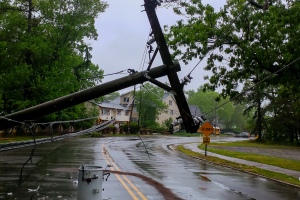
home insurance coverage for a hurricane dropping street debris

No single policy is sold as “hurricane insurance.” The phrase describes a combination of homeowners, wind and hail, and flood coverage working together.

A standard homeowners policy may cover wind and hail damage, but some insurers exclude those perils for properties in coastal areas. When that happens, the homeowner needs a separate North Carolina wind and hail insurance policy to fill the gap.

Homeowners insurance does not cover flood or rising-water damage in any form. Storm surge from a hurricane requires separate flood insurance. The National Flood Insurance Program reports that about 29 percent of its claims come from outside high-risk flood zones. Properties that aren’t in a designated high-risk area still carry real flood exposure.

What Is Covered and What Is Not

Type of damageWhich policy may respondWorth knowing
Roof or siding damaged by windHomeowners policy, or separate wind and hail coverage when wind is excludedCheck the policy exclusions and declarations page before storm season
Rain entering through a wind-created openingUsually the policy covering the wind loss, subject to policy termsInterior rain damage without storm-created damage to the roof or walls may be treated differently
Storm surge and rising waterFlood policyStandard homeowners insurance doesn’t cover flood or rising water
Hotel and extra living costsHomeowners coverage after a covered loss, within policy limitsCoverage may apply when covered physical damage makes the home uninhabitable
Food spoilage after an outageDepends on the policy or endorsementStandard coverage may exclude spoilage caused by an off-premises power failure

The North Carolina DOI notes that interior stormwater damage may not be covered when the roof or walls weren’t damaged by the storm. Its guidance also advises homeowners to check their policies for separate food-spoilage coverage.

Where Coastal Wind and Hail Coverage Comes From
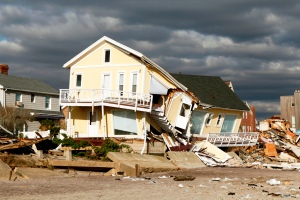
north carolina home destroyed after a hurricane

Many coastal homeowners keep wind coverage within their homeowners policy without any issue. Others find that their carrier excludes wind and hail, which means a separate policy is needed alongside the homeowners policy.

The North Carolina Insurance Underwriting Association, or NCIUA, operates the Coastal Property Insurance Pool for eligible properties in the state’s beach and coastal areas. The NC DOI says windstorm coverage through the program is available in 18 eligible coastal counties. Eligibility for an NCIUA wind and hail policy generally requires an active primary property policy from an admitted North Carolina carrier that excludes windstorm.

State law does not create a blanket requirement for every homeowner to carry wind and hail insurance in NC. A mortgage lender, however, may still require it. Fannie Mae’s property insurance standards require windstorm and hail coverage for loans subject to its guidelines and call for separate acceptable coverage when the primary policy excludes those perils.

How Named Storm Deductibles Work

A named storm deductible can be much larger than the flat deductible homeowners are used to seeing. North Carolina DOI notes that these deductibles are often based on a percentage of the dwelling coverage listed on the declarations page.

Consider a home with $500,000 in Coverage A and a 2% named storm deductible. Your deductible would be $10,000 for a covered loss subject to that provision.
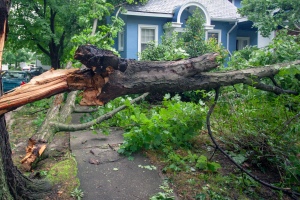
new north carolina home with hurricane damage

Separate policies can mean separate deductibles. A hurricane that causes both wind damage and flooding could produce one wind claim and one flood claim, with the applicable deductible under each policy.

Questions about how much hurricane insurance costs in North Carolina don’t have one statewide answer. Premiums depend on the property, coverage amounts, construction, location, deductible choices, claims history, and other underwriting factors. 

The North Carolina DOI notes that factors including rebuilding costs and characteristics of the home can affect homeowners’ insurance premiums.

Reviewing Your Coverage Before the Next Storm

A useful insurance review starts with three documents: your homeowners declarations page, any separate NC wind and hail insurance policy, and your flood insurance declarations page. Look at covered perils, exclusions, dwelling limits, and each deductible.

Coastal insurance markets and rebuilding costs can change from year to year, so an annual review gives you a chance to confirm how the policies fit together. An NC wind and hail insurance map or flood map can help provide location context, but your actual policy documents determine the coverage you have.

Coastal Shield will walk through your home, wind, and flood policies in plain language. Our team works with coastal homeowners to identify which policy handles each type of loss and help make the insurance side of homeownership easier to understand.

Filed Under: Hurricane season

August 14, 2026 by Anna Brothers

Atlantic hurricane season runs June 1 through November 30. Carriers stop accepting coverage changes once a storm has a name and the North Carolina coast falls inside the forecast cone, which gives the insurance half of any hurricane preparedness checklist a deadline that arrives before the first storm does. Shutters and supplies can be handled later in the season. A coverage gap found in September stays open until the storm passes.

Coverage changes stop once a storm has a name

Insurers issue what the industry calls a binding restriction, or moratorium, when a named storm threatens a region. Existing policies keep renewing during one, but requests to add coverage, raise a limit, or lower a deductible will not be processed until it lifts. The state’s coastal wind market applies the same principle, so having wind on a separate policy does not give you a second window.

North Carolina’s definition of a named storm is broader than most homeowners expect. The state counts hurricanes, tropical storms, and tropical depressions as named storms, so a system still classified as a depression can be enough to suspend new business along this coast.

What to review on your policies before June 1

Six items decide how a wind claim actually pays. Check each one against your current declarations page.

* Your named storm deductible, which is usually a percentage of the dwelling limit instead of a flat amount. Convert it to a dollar figure and confirm you could cover it.

* Whether wind sits on your homeowners policy or on a separate hurricane and windstorm policy.

* Your dwelling limit against what rebuilding costs today, since coastal construction costs have outrun plenty of policy limits.

* Whether flood coverage is in force, remembering that a new NFIP policy carries a 30-day waiting period. If you have been putting it off, start with whether you need flood insurance at all.

* Your loss of use limit, which pays for somewhere to stay during an evacuation or a long rebuild.

* Your roof’s age and how your carrier settles roof claims, since some now pay depreciated value on older roofs instead of full replacement cost. Ask directly instead of assuming.

An umbrella policy is worth reviewing at the same time, because liability exposure climbs when a damaged property fills up with contractors.

Documentation that survives a claim

Adjusters settle from evidence. A walkthrough video with narration, recorded before the season with closets and cabinets open, does more for a contents claim than a list written from memory three weeks after a loss.

Photograph the roof, siding, and outbuildings while they are intact. Pre-storm condition is the central argument in most wind claims, and a carrier that cannot see what the roof looked like in May will fall back on its age.

Keep serial numbers and receipts for high-value items, and confirm that jewelry, art, and firearms are scheduled rather than sitting under the policy’s internal limits. Store all of it somewhere other than the house, and keep proof of insurance reachable from your phone.

Storm prep that changes how a claim is paid

Supply lists from Ready.gov handle food, water, and batteries well. The steps below carry weight because they change a claim outcome.

Secure or store loose outdoor property before a storm arrives. Furniture, grills, and trampolines become projectiles, and damage they do to a neighbor’s home turns into a liability question instead of a property one.

Trim trees on a schedule. A healthy tree that comes down in a hurricane is a covered loss. A dead limb that a carrier can show you left in place invites a dispute over neglect.

Every policy carries a duty to protect the property from further damage after a loss. Tarping a roof, boarding an opening, and running a dehumidifier are your obligation, and the reasonable cost is usually reimbursable. Report the claim promptly and keep every receipt.

Hurricane insurance questions coastal owners ask

When should I review my insurance for hurricane season?

Before June 1. Carriers stop accepting coverage changes once a named storm threatens the area, and a new NFIP flood policy carries a 30-day waiting period.

Does homeowners insurance cover hurricane damage in North Carolina?

Wind damage is covered, either on the homeowners policy or on a separate windstorm policy, usually with a named storm deductible. Flooding and storm surge are excluded and require a separate flood policy.

What is a named storm deductible?

A deductible that applies only to damage from a storm that has been formally named, and in North Carolina that includes tropical depressions and tropical storms as well as hurricanes. It is normally calculated as a percentage of the dwelling limit instead of a flat dollar amount, and it applies from the moment the National Weather Service issues an advisory, watch, or warning for any part of the state until 24 hours after the last one is lifted.

Booking a pre-season coverage review

Call or bring your declarations pages to Coastal Shield Insurance and we will go through them together, starting with the deductible math in actual dollars, then your dwelling limit against what rebuilding costs on this coast now, whether wind and flood are both in force, and where your photos and receipts are stored.

Let’s go through your policies before June 1. If a storm already has a name when you call, we can tell you exactly what your coverage does today, but we will not be able to change it until the restriction lifts.

Filed Under: Hurricane season

Primary Sidebar

Coastal Shield Insurance logo light

Independent insurance for coastal North Carolina home, auto, and flood, explained in plain English.

2001 Castle Hayne Rd
Wilmington, NC 28401

(910) 981-1948

Link to company Facebook page

Link to company LinkedIn page

  • Coverage

    • Condo
    • Flood
    • Homeowners
    • Hurricane
    • Rental Property
    • All Coverage Types
  • Company

    • About Us
    • Careers
    • Meet the Team
    • Reviews
    • Referral Partners
  • Resources

    • Resource Center
    • FAQs
    • Get Proof of Insurance
    • Areas Served
    • Contact Us

© 2026 Atlantic Shield Insurance LLC. All rights reserved.·Privacy Policy·Terms of Use·Powered by 321 Web Marketing