• Skip to primary navigation
  • Skip to main content
  • Skip to primary sidebar

Coastal Shield Insurance

coastal shield insurance logoCoastal Shield Insurance logo

Coastal Insurance Agency in Wilmington, NC

  • Shop Insurance

    • Property

      • Condo
      • Flood
      • Homeowners
      • Hurricane
      • Rental Property
    • Vehicles

      • Boat
      • Car
      • RV
    • Personal

      • Jewelry
      • Umbrella
    • Commercial

      • Business Owner’s Policy
      • Business Interruption
      • General Liability
  • Areas Served
  • Resource Center
    • Tips & Guides

      • Coastal North Carolina Newcomer’s Guide
      • Do I Need Flood Insurance?
      • Hurricane Season Preparedness Checklist
      • Insuring a Second Home or Vacation Rental
    • Help & Support

      • Get Proof of Insurance
      • Frequently Asked Questions
      • Contact Us
  • About
    • Careers
    • Meet the Team
    • Referral Partners
    • Reviews
(910) 981-1948
Start My Quote

Anna Brothers

October 20, 2026 by Anna Brothers

Renting a beach house in Topsail Island, Oak Island, or another coastal North Carolina community can turn a second home into an income-producing property. Rental activity also changes how an insurer views the home, and the policy structure has to reflect how the property is actually being used.

A standard homeowners policy in North Carolina may no longer fit once paying guests regularly occupy the house. Sorting the coverage out before a loss is what gives you room to address property, liability, rental income, wind, and flood exposure while there is still time to change something.

woman enjoying her vacation home in north carolina

In This Article: Why a rental needs a dwelling or rental policy rather than a homeowners policy, the four coverages a coastal rental generally carries, what underwriters ask before they will quote a beach house in NC, and the gaps owners find out about after a guest claim or a storm.

Why a Rental Does Not Fit a Standard Homeowners Policy

North Carolina’s Department of Insurance describes homeowners insurance as coverage generally designed for owner-occupied homes. A property used primarily for weekly guest stays presents a different exposure, so an insurer may require a dwelling or rental policy written for that use.

The right structure depends on how frequently you rent, how long guests stay, and how often you occupy the property yourself. Short-term rental insurance in North Carolina can differ from coverage for a long-term tenant, a seasonal home, or a second home rented only a few weeks a year.

Always disclose rental use to your agent. Finding out after a loss that the home’s use did not match the policy leaves you dealing with coverage questions at the worst possible time.

The Coverage a Coastal Rental Actually Needs

Most coastal rentals end up carrying several policies rather than one, and the pieces have to be built to work together.

CoverageWhat it protectsWhy it matters on a rental
Dwelling and contentsThe building and owner-supplied furnishingsFurniture, appliances, and other rental contents need coverage suited to the property’s use
LiabilityClaims involving guest injuries or property damagePaying guests create liability exposures that differ from ordinary household use
Loss of rental incomeCovered rental income lost while the home is unusableA lengthy repair can take booked weeks out of a profitable season
Wind and hail plus floodCertain storm-related property lossesCoastal homes may need separate policies for these exposures

Wind and flood exclusions deserve the closest reading of anything on a coastal policy. North Carolina DOI explains that location and underwriting guidelines affect whether windstorm and hail coverage is included in a primary residential policy, which is why so many coastal owners end up carrying separate wind and hail insurance in NC.
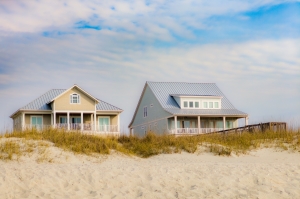
luxurious vacation homes on coastal north carolina

Flooding sits outside the homeowners policy entirely. FEMA estimates that just 1 inch of floodwater can cause roughly $25,000 in damage to a typical home, and that is the reason flood insurance for a coastal North Carolina property belongs in the conversation even when the house is nowhere near the ocean.

What Underwriters Ask Before They Will Quote

Having the documents together early is what makes quoting a beach house in NC go smoothly. An agent will ask for the year built, roof age and material, distance to water, prior claims, updates to major systems, and, where it applies, an elevation certificate.

Rental arrangements change the picture too. Expect questions about rental frequency, typical length of stay, guest screening, maximum occupancy, and whether a professional property manager handles bookings.

Older beach homes and heavily rented properties take more work to place. Coastal Shield Insurance shops a roster of A-rated carriers for exactly those properties, and comparing several of them is usually what turns a hard-to-place rental into a bound policy.

Gaps Owners Discover Too Late

Protection offered through a booking platform can seem more comprehensive than it really is.

Airbnb states that their host damage protection isn’t an insurance policy, and AirCover doesn’t replace homeowners insurance or adequate liability coverage. Vrbo’s host terms similarly state that hosts are responsible for maintaining insurance suitable for their rental activity.

Guest-caused damage, theft, and liability belong in a conversation with your agent rather than assumed into a platform guarantee.
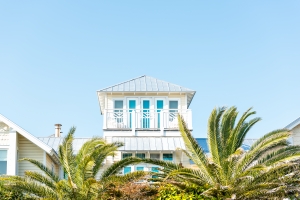
large luxurious vacation home in north carolina

Seasonal vacancy deserves the same attention. Some dwelling policies place conditions on certain losses after a property has been vacant for a specified period, so if your rental sits empty through part of the winter, tell your agent how the home is occupied across the whole year.

How to Place Coverage on a Coastal Rental

Start with accurate property and rental information. Gather the current policy, roof details, claims history, elevation documents, rental schedule, property-management information, and any lender requirements before requesting quotes.

The right arrangement may resemble landlord insurance in North Carolina, a dwelling policy, or a specialty vacation-rental program, depending on how you use the house. Coastal properties often need separate wind and flood coverage alongside it, which is why the policies are worth reviewing as one picture rather than one at a time.

Coastal Shield Insurance works with coastal homeowners across the Carolina coast and shops A-rated carriers for properties that are harder to place, older homes and rentals among them. Tell us how the property is rented, what coverage you already carry, and where you think the gaps are, and we will review the whole arrangement with you before the next guest checks in.
Filed Under: Home insurance

October 13, 2026 by Anna Brothers

Most homeowners expect a single policy to cover everything a hurricane can do. The reality along the North Carolina coast is that wind damage, storm surge, rain intrusion, and temporary living expenses can each fall under a different policy, with separate deductibles and separate limits. A homeowner with a standard policy, a separate wind and hail policy, and a flood policy may be carrying three declarations pages that all come into play after one storm.

That layered structure is where most of the confusion starts, and it is also where the most expensive surprises hide. A roof claim goes to one policy. The floodwater in the living room goes to another. The deductible on each one applies independently. Understanding how hurricane insurance actually works in North Carolina means knowing which policy owns which piece of the damage and what you owe out of pocket before any of them pay.

What Hurricane Insurance Means in North Carolina

home insurance coverage for a hurricane dropping street debris

No single policy is sold as “hurricane insurance.” The phrase describes a combination of homeowners, wind and hail, and flood coverage working together.

A standard homeowners policy may cover wind and hail damage, but some insurers exclude those perils for properties in coastal areas. When that happens, the homeowner needs a separate North Carolina wind and hail insurance policy to fill the gap.

Homeowners insurance does not cover flood or rising-water damage in any form. Storm surge from a hurricane requires separate flood insurance. The National Flood Insurance Program reports that about 29 percent of its claims come from outside high-risk flood zones. Properties that aren’t in a designated high-risk area still carry real flood exposure.

What Is Covered and What Is Not

Type of damageWhich policy may respondWorth knowing
Roof or siding damaged by windHomeowners policy, or separate wind and hail coverage when wind is excludedCheck the policy exclusions and declarations page before storm season
Rain entering through a wind-created openingUsually the policy covering the wind loss, subject to policy termsInterior rain damage without storm-created damage to the roof or walls may be treated differently
Storm surge and rising waterFlood policyStandard homeowners insurance doesn’t cover flood or rising water
Hotel and extra living costsHomeowners coverage after a covered loss, within policy limitsCoverage may apply when covered physical damage makes the home uninhabitable
Food spoilage after an outageDepends on the policy or endorsementStandard coverage may exclude spoilage caused by an off-premises power failure

The North Carolina DOI notes that interior stormwater damage may not be covered when the roof or walls weren’t damaged by the storm. Its guidance also advises homeowners to check their policies for separate food-spoilage coverage.

Where Coastal Wind and Hail Coverage Comes From

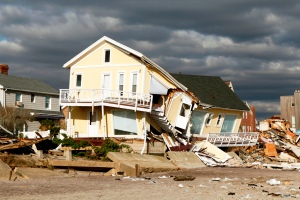
north carolina home destroyed after a hurricane

Many coastal homeowners keep wind coverage within their homeowners policy without any issue. Others find that their carrier excludes wind and hail, which means a separate policy is needed alongside the homeowners policy.

The North Carolina Insurance Underwriting Association, or NCIUA, operates the Coastal Property Insurance Pool for eligible properties in the state’s beach and coastal areas. The NC DOI says windstorm coverage through the program is available in 18 eligible coastal counties. Eligibility for an NCIUA wind and hail policy generally requires an active primary property policy from an admitted North Carolina carrier that excludes windstorm.

State law does not create a blanket requirement for every homeowner to carry wind and hail insurance in NC. A mortgage lender, however, may still require it. Fannie Mae’s property insurance standards require windstorm and hail coverage for loans subject to its guidelines and call for separate acceptable coverage when the primary policy excludes those perils.

How Named Storm Deductibles Work

A named storm deductible can be much larger than the flat deductible homeowners are used to seeing. North Carolina DOI notes that these deductibles are often based on a percentage of the dwelling coverage listed on the declarations page.

Consider a home with $500,000 in Coverage A and a 2% named storm deductible. Your deductible would be $10,000 for a covered loss subject to that provision.

new north carolina home with hurricane damage

Separate policies can mean separate deductibles. A hurricane that causes both wind damage and flooding could produce one wind claim and one flood claim, with the applicable deductible under each policy.

Questions about how much hurricane insurance costs in North Carolina don’t have one statewide answer. Premiums depend on the property, coverage amounts, construction, location, deductible choices, claims history, and other underwriting factors. 

The North Carolina DOI notes that factors including rebuilding costs and characteristics of the home can affect homeowners’ insurance premiums.

Reviewing Your Coverage Before the Next Storm

A useful insurance review starts with three documents: your homeowners declarations page, any separate NC wind and hail insurance policy, and your flood insurance declarations page. Look at covered perils, exclusions, dwelling limits, and each deductible.

Coastal insurance markets and rebuilding costs can change from year to year, so an annual review gives you a chance to confirm how the policies fit together. An NC wind and hail insurance map or flood map can help provide location context, but your actual policy documents determine the coverage you have.

Coastal Shield will walk through your home, wind, and flood policies in plain language. Our team works with coastal homeowners to identify which policy handles each type of loss and help make the insurance side of homeownership easier to understand.

Filed Under: Hurricane season

August 14, 2026 by Anna Brothers

Moving to Wilmington, N.C., or anywhere along this coast means insuring your home under two or three separate policies instead of one. A homeowners policy on a coastal North Carolina home covers fire, theft, liability, and interior water damage. Wind and hail are often written on their own policy. Flood is always separate.

Coastal North Carolina Home Insurance: Understanding Wind, Hail & Flood Coverage

In coastal North Carolina, wind and hail coverage may be included in your homeowners policy or provided through a separate policy. When a homeowners insurance carrier excludes wind and hail, coverage may be available through the North Carolina Insurance Underwriting Association (NCIUA), commonly known as the Beach Plan. Understanding how these coverages work together is essential to making sure your coastal home is properly protected.

PolicyWhat it coversWho writes it
HomeownersFire, theft, liability, interior water damagePrivate Carriers and the NC Beach plan
Wind and hailHurricane wind, hail, named storm damagePrivate carrier or the NC Beach Plan
FloodStorm surge, rising water, heavy rain floodingNFIP or a private flood carrier

Standard homeowners insurance policies do not cover flooding caused by rising water, including storm surge and heavy rainfall. This protection requires a separate flood insurance policy. Additionally, not all insurance carriers offer coverage in coastal North Carolina, and some may exclude wind and hail. Working with an independent agency experienced in coastal insurance helps ensure you have the right combination of coverage to protect your home.

Home Insurance Before Closing in North Carolina

Federal law requires flood insurance on a federally backed mortgage when the property sits in a FEMA Special Flood Hazard Area. Your lender orders a flood determination during underwriting and will not fund without a policy in force. If a carrier excluded wind, the lender wants proof of wind coverage as well. Check which flood zone your address falls in before you write the offer.

The NFIP normally applies a 30-day waiting period, but it does not apply when the purchase is connected to making, increasing, extending, or renewing a loan. A flood policy bought for a closing takes effect at closing, provided the application and premium reach the carrier on or before the closing date.

Ask for quotes during due diligence, not after. A high-risk flood zone with a 22-year-old roof can price nowhere near the estimate behind your offer, and due diligence is the only stretch of the deal where that number can still change your mind.

How Your Address Changes the Premium

Two homes in the same county did not get the same increase this year. Under a settlement with the state Insurance Commissioner, statewide homeowners base rates rose 7.5 percent on June 1, 2025, and another 7.5 percent on June 1, 2026. In the statutory beach territory of New Hanover, Brunswick, and Pender counties, along with Onslow and Carteret, the increases landed at 16 percent and then 15.9 percent. Western coastal Brunswick County, which includes Leland, came in at 5 percent and then 4.8 percent. One settlement produced three different answers inside Brunswick County alone, depending on the zip code.

Within a territory, age of the home, distance to open water, roof age, and construction type all have a bearing on premium. An inland address in Leland and a beachfront address on Oak Island can differ by a substantial amount on identical coverage.

Wind and named storm deductibles here are usually a percentage of the dwelling limit instead of a flat amount. On a $700,000 dwelling limit, a 2 percent wind deductible means $14,000 out of pocket before the wind policy responds.

Carriers look hard at roofs past 20 years, and some will not quote until the roof is replaced. An IBHS FORTIFIED Roof designation can earn wind mitigation credits, and the NCIUA has funded grant programs that help its policyholders offset that upgrade. Grant rounds open and close with funding, so confirm eligibility when you buy. Putting your auto policy with the same agency can also qualify you for a multipolicy discount.

Insurance timeline for moving to Wilmington, N.C.

Start the insurance conversation the week you go under contract, which usually leaves 30 to 45 days. That is enough room to shop carriers, order an elevation certificate, and deal with a roof problem if one surfaces.

Have the year built, the roof’s age and any replacement records, your prior claims history, and an elevation certificate ready for a property in a high-risk flood zones. Sellers often already hold that flood elevation certificate from their own purchase.

Two weeks out, confirm effective dates with your closing attorney. North Carolina closings run through an attorney, and the homeowners binder, the wind policy, and the flood policy all need dates that line up with funding.

North Carolina also gives new residents 60 days from establishing residence to get a state license and register their vehicles, and it rejects out-of-state auto policies for registration. That deadline has nothing to do with the house, which is exactly why it catches people.

Why a Local Coastal NC Agent Matters

Which carriers are writing in a given town shifts by season. An agent working New Hanover, Brunswick, and Pender counties daily knows who is quoting in each town along this coast this month and who has pulled back from the barrier islands. That is the argument for having someone shop the carriers for you instead of working through three portals on your own.

When home, wind, and flood sit with three carriers, gaps hide in mismatched deductibles and effective dates that miss by a day.

Send us the address before your due diligence period ends and we will walk all three policies with you, including the pieces your lender has not asked about yet. Coastal Shield writes across Wilmington, Wrightsville Beach, Carolina Beach, Hampstead, Southport, and Oak Island. At Coastal Shield Insurance, you can talk directly to an agent who can pull your rating territory and flood zone while you are still on the phone.

Filed Under: Buying a home

August 14, 2026 by Anna Brothers

The answer is settled for some homes and wide open for the rest. A house inside a FEMA Special Flood Hazard Area with a federally backed mortgage has to carry flood coverage. Everywhere else along this coast, the decision belongs to the owner. Most of the homeowners who call us about this have already looked up their address, seen Zone X, and come away unsure the map answered anything.

Zone X means lower risk, not no risk

FEMA draws the high-risk boundary at a 1 percent annual chance of flooding, which works out to at least a one in four chance over the life of a 30-year mortgage. Zone X sits below that threshold, and below is not the same as absent.

Flood maps also lag the ground they describe. New construction upstream, a repaved lot next door, a culvert that silts up, and a rainfall event that outpaces the storm drains all produce water no map predicted. The maps on this coast are built around storm surge and river flooding. They say much less about eight inches of rain in four hours.

Maps get revised, too. A property in Zone X today can sit inside the Special Flood Hazard Area after the next update, at which point flood insurance becomes a lender requirement instead of a choice.

What homeowners insurance will not pay for

Every homeowners insurance policy in the country excludes flood. Water that arrives at ground level, whether from storm surge, a swollen creek, or rain the ground cannot absorb, falls outside that policy entirely. Rain coming through a roof opening the wind created is a different claim, and it usually belongs to the wind carrier.

Federal disaster assistance does not close the gap. Individual Assistance grants are capped and modest. The larger help comes as an SBA disaster loan that has to be repaid with interest, and none of it moves until there is a presidential declaration. Plenty of floods never get one.

What an NFIP policy covers, and where it stops

An NFIP residential policy caps building coverage at $250,000 and contents at $100,000, and contents are a separate purchase. A policy bought only to satisfy a lender often leaves furniture, electronics, and clothing uncovered.

CoverageNFIPPrivate flood
Building limit$250,000Often higher
Contents$100,000, actual cash valueHigher limits, replacement cost available
Loss of useNot coveredSometimes available
Waiting period30 daysOften shorter

Below-grade space carries its own restrictions. The NFIP covers structural elements and certain utility equipment in a basement or crawlspace, but not finished walls, flooring, or the belongings stored there. Owners of raised coastal homes are the ones this catches.

What sets the price at your address

Under Risk Rating 2.0 the NFIP prices each property on its own characteristics rather than its zone. Distance to a flooding source, first-floor height, foundation type, replacement cost, and the flood frequency at that exact spot all feed the rate, so two homes on the same street in Wilmington can price differently.

Zone X properties generally land at the low end of that range, which means the rate runs lowest exactly where owners assume the coverage is unnecessary.

Two discounts are worth asking about. Communities in the Community Rating System earn NFIP discounts between 5 and 45 percent, and under the program’s current pricing those discounts apply to every policy in the community, inside the high-risk area or outside it. An elevation certificate is optional under Risk Rating 2.0, but an accurate one can lower a premium when FEMA’s estimated elevation for the property is wrong.

Flood insurance questions coastal owners ask

Do I need flood insurance if my home is not in a flood zone?

No lender will require it outside a Special Flood Hazard Area, but the coverage is available and generally rates lower there. Nearly a third of NFIP claims between 2014 and 2024 came from outside high-risk areas.

Does homeowners insurance cover flood damage in North Carolina?

No. Every homeowners policy excludes flood. Storm surge, rising water, and rainfall the ground cannot absorb all require a separate flood policy.

How long does flood insurance take to go into effect?

An NFIP policy takes 30 days unless it is tied to a loan closing or a flood map revision. Private flood carriers often have shorter waiting periods.

Getting a real number for your address

At Coastal Shield Insurance, we know a quote at your address is the only number that means anything, and producing one takes little more than the address and a few property details. Statewide averages stopped describing how the rating works the day Risk Rating 2.0 took over.

Timing matters more than price for anyone still deciding. A new NFIP policy carries a 30-day waiting period unless the purchase is tied to a loan closing or a flood map change, so a policy started once a storm has a name will not respond to that storm. If you are buying instead of already living here, the coastal newcomer’s insurance guide covers how flood fits into a closing.

Most people who ask about this are not looking for a sales pitch. They want to know whether the coverage is worth it at their own address, and that takes a real quote.

Send us yours and we will price NFIP and private flood side by side, including the contents and above-limit options a lender never asks about. The NFIP rate is set by the program, so the shopping happens on the private side, where the A-rated carriers we work with can sometimes do better on limits or the waiting period. We will show you how the flood piece sits next to the homeowners policy you already carry. And if the coverage does not make sense for your house, we will tell you that too.

Call the office and a person who knows this coast picks up, not a call center script. Talk to a Coastal Shield Insurance agent who can pull your flood zone and your community’s CRS class, then walk you through what the numbers mean.

Filed Under: Flood

August 14, 2026 by Anna Brothers

Atlantic hurricane season runs June 1 through November 30. Carriers stop accepting coverage changes once a storm has a name and the North Carolina coast falls inside the forecast cone, which gives the insurance half of any hurricane preparedness checklist a deadline that arrives before the first storm does. Shutters and supplies can be handled later in the season. A coverage gap found in September stays open until the storm passes.

Coverage changes stop once a storm has a name

Insurers issue what the industry calls a binding restriction, or moratorium, when a named storm threatens a region. Existing policies keep renewing during one, but requests to add coverage, raise a limit, or lower a deductible will not be processed until it lifts. The state’s coastal wind market applies the same principle, so having wind on a separate policy does not give you a second window.

North Carolina’s definition of a named storm is broader than most homeowners expect. The state counts hurricanes, tropical storms, and tropical depressions as named storms, so a system still classified as a depression can be enough to suspend new business along this coast.

What to review on your policies before June 1

Six items decide how a wind claim actually pays. Check each one against your current declarations page.

* Your named storm deductible, which is usually a percentage of the dwelling limit instead of a flat amount. Convert it to a dollar figure and confirm you could cover it.

* Whether wind sits on your homeowners policy or on a separate hurricane and windstorm policy.

* Your dwelling limit against what rebuilding costs today, since coastal construction costs have outrun plenty of policy limits.

* Whether flood coverage is in force, remembering that a new NFIP policy carries a 30-day waiting period. If you have been putting it off, start with whether you need flood insurance at all.

* Your loss of use limit, which pays for somewhere to stay during an evacuation or a long rebuild.

* Your roof’s age and how your carrier settles roof claims, since some now pay depreciated value on older roofs instead of full replacement cost. Ask directly instead of assuming.

An umbrella policy is worth reviewing at the same time, because liability exposure climbs when a damaged property fills up with contractors.

Documentation that survives a claim

Adjusters settle from evidence. A walkthrough video with narration, recorded before the season with closets and cabinets open, does more for a contents claim than a list written from memory three weeks after a loss.

Photograph the roof, siding, and outbuildings while they are intact. Pre-storm condition is the central argument in most wind claims, and a carrier that cannot see what the roof looked like in May will fall back on its age.

Keep serial numbers and receipts for high-value items, and confirm that jewelry, art, and firearms are scheduled rather than sitting under the policy’s internal limits. Store all of it somewhere other than the house, and keep proof of insurance reachable from your phone.

Storm prep that changes how a claim is paid

Supply lists from Ready.gov handle food, water, and batteries well. The steps below carry weight because they change a claim outcome.

Secure or store loose outdoor property before a storm arrives. Furniture, grills, and trampolines become projectiles, and damage they do to a neighbor’s home turns into a liability question instead of a property one.

Trim trees on a schedule. A healthy tree that comes down in a hurricane is a covered loss. A dead limb that a carrier can show you left in place invites a dispute over neglect.

Every policy carries a duty to protect the property from further damage after a loss. Tarping a roof, boarding an opening, and running a dehumidifier are your obligation, and the reasonable cost is usually reimbursable. Report the claim promptly and keep every receipt.

Hurricane insurance questions coastal owners ask

When should I review my insurance for hurricane season?

Before June 1. Carriers stop accepting coverage changes once a named storm threatens the area, and a new NFIP flood policy carries a 30-day waiting period.

Does homeowners insurance cover hurricane damage in North Carolina?

Wind damage is covered, either on the homeowners policy or on a separate windstorm policy, usually with a named storm deductible. Flooding and storm surge are excluded and require a separate flood policy.

What is a named storm deductible?

A deductible that applies only to damage from a storm that has been formally named, and in North Carolina that includes tropical depressions and tropical storms as well as hurricanes. It is normally calculated as a percentage of the dwelling limit instead of a flat dollar amount, and it applies from the moment the National Weather Service issues an advisory, watch, or warning for any part of the state until 24 hours after the last one is lifted.

Booking a pre-season coverage review

Call or bring your declarations pages to Coastal Shield Insurance and we will go through them together, starting with the deductible math in actual dollars, then your dwelling limit against what rebuilding costs on this coast now, whether wind and flood are both in force, and where your photos and receipts are stored.

Let’s go through your policies before June 1. If a storm already has a name when you call, we can tell you exactly what your coverage does today, but we will not be able to change it until the restriction lifts.

Filed Under: Hurricane season

August 14, 2026 by Anna Brothers

You bought the second home for family weeks in July, then listed it the rest of the season to help carry the mortgage. That listing is the moment your insurance policy stopped matching your house. Renting the property is business use, and business use is excluded from homeowners and secondary dwelling forms. That single exclusion is what separates a second home from a vacation rental, and it is where uninsured losses on this coast usually begin.

Renting it out changes what your policy covers

Homeowners and secondary dwelling forms are written for personal use. Rental activity falls outside them, and the exclusion does not distinguish between renting for a whole season and renting for one weekend in July.

Carrier appetite varies. Some permit limited rental by endorsement. Others decline the risk entirely once a property goes on a booking platform, and some draw the line at a specific number of days or a minimum rental term. There is no uniform rule, so the answer has to come from your own carrier. A host forum cannot answer it for your policy.

Disclosure is not optional. An undisclosed rental found during a claim investigation gives the carrier grounds to deny the loss and, depending on the facts, to rescind the policy back to inception. Platform host guarantees do not fill that hole either. They are limited in scope, often sit excess over your own coverage, and are not a substitute for a policy written for the occupancy.

What the property needs is rental and vacation property insurance matched to how it is actually used, whether that is a dwelling policy for long-term tenants or a short-term rental form for nightly bookings.

What a rental dwelling policy adds

Loss of rental income is the coverage owners miss most often. It replaces the income the property would have earned while it sits unrentable after a covered loss, which on this coast can mean an entire summer of canceled bookings following one storm.

Furnishings are the second gap. Personal property coverage on a dwelling policy is low or absent unless you ask for it, and beds, televisions, kitchen equipment, and outdoor furniture add up faster than owners expect.

If the property is a condo, the building sits under the association’s master policy and your responsibility begins somewhere inside the walls. Condo insurance covers that interior along with loss assessment, which is the share of a covered association loss that gets passed back to unit owners, usually after a named storm has run through the master policy deductible.

Guest injuries are the exposure owners underestimate

Liability on a rental is not the liability you carry at home. Paying guests use pools, hot tubs, stairs, docks, and boardwalks without knowing the property, and the duty of care stays with the owner.

North Carolina has already produced case law here. In Poage v. Cox, the state Court of Appeals reversed summary judgment and allowed a negligence claim to proceed against the owner of a short-term rental and the company she had hired to maintain the hot tub, after two guests contracted Legionnaires’ disease. One of the unresolved questions the court identified was whether the owner had effectively handed that duty off to the maintenance company. The court decided nothing about liability, which is the part owners should notice. Defense costs begin when a claim is filed, not when a court decides who was at fault.

Rentals under 90 days for vacation or leisure fall under the North Carolina Vacation Rental Act, which requires a written vacation rental agreement carrying a specific statutory notice. That agreement is also where property rules and equipment instructions get documented, which matters if a claim ever turns on what the guest was told. An umbrella policy sits above the liability limit on the rental policy, and it is worth pricing once paying guests are using the house.

The off-season creates its own coverage problem

An empty house is a different risk. Many policies restrict or exclude certain losses once a dwelling has been vacant beyond a stated period, commonly 30 or 60 days, and water damage from a pipe that froze in an unheated house is a routine denial.

Wind and flood stay separate on a rental exactly as they do on a primary residence, and a named storm deductible calculated as a percentage of the dwelling limit applies the same way. Work the hurricane season checklist for the rental as well as your own house, because the property you visit twice a year is the one nobody documented.

Vacation rental insurance questions owners ask

Does homeowners insurance cover a vacation rental?

Generally no. Renting the property is business use, which most homeowners and secondary dwelling policies exclude. Some carriers permit limited rental by endorsement, so the answer has to come from your own carrier.

What does vacation rental insurance cover that a homeowners policy does not?

Rental income lost after a covered loss, liability arising from paying guests, and the furnishings you supply for their use. Coverage varies by form, so limits should be reviewed individually.

Do I have to tell my insurance company I am renting my house?

Yes. An undisclosed rental can give the carrier grounds to deny a claim and, depending on the facts, to rescind the policy back to its start date.

Getting the occupancy written correctly

Quoting a rental correctly takes the address, how many weeks a year it rents, how bookings are handled, and whether guests have access to a pool, hot tub, or dock.

Send us those details and we will tell you whether your current policy responds and what properly written vacation rental insurance costs. Give us a call before the next booking rather than after the next claim.

Filed Under: Home insurance

Primary Sidebar

Coastal Shield Insurance logo light

Independent insurance for coastal North Carolina home, auto, and flood, explained in plain English.

2001 Castle Hayne Rd
Wilmington, NC 28401

(910) 981-1948

Link to company Facebook page

Link to company LinkedIn page

  • Coverage

    • Condo
    • Flood
    • Homeowners
    • Hurricane
    • Rental Property
    • All Coverage Types
  • Company

    • About Us
    • Careers
    • Meet the Team
    • Reviews
    • Referral Partners
  • Resources

    • Resource Center
    • FAQs
    • Get Proof of Insurance
    • Areas Served
    • Contact Us

© 2026 Atlantic Shield Insurance LLC. All rights reserved.·Privacy Policy·Terms of Use·Powered by 321 Web Marketing